Deutsch
The other day, I was at my go-to supermarket.
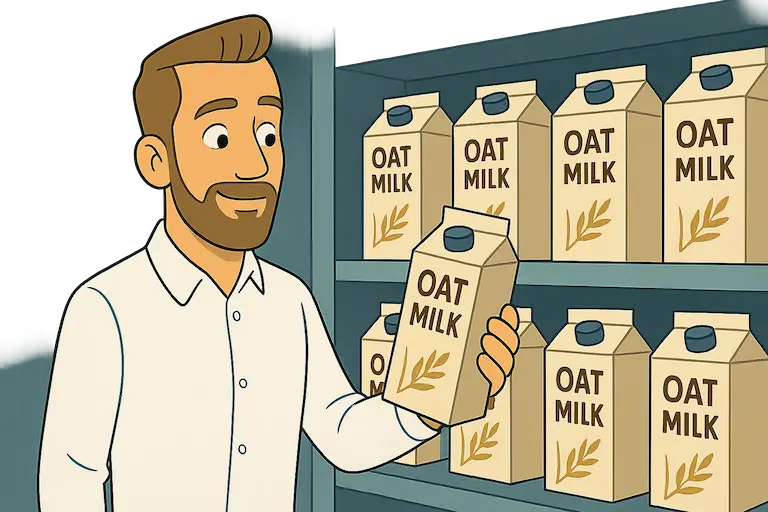
No shopping list, hungry, slightly stressed – not exactly the ideal moment for a well-structured shopping trip. So: impulse purchase. And what did I grab, among other things? A carton of oat milk that looked familiar. Not because it tasted better than the others (honestly, I can’t even remember), but because I recognized it from some ad somewhere.
That’s when Byron Sharp popped into my head.
Not a name you’d usually associate with oat milk – but definitely with what had just happened in my brain.
The Professor Who Challenges Our Comfort Zone and What We Thought We Knew About Marketing
Byron Sharp is like that uncomfortable friend who constantly questions you.
The one who kindly but firmly tells you that much of what you believe in – brand love, precise targeting, fancy personas – might actually be overrated.
His thesis: Brands grow when they reach more people and are available in more buying situations – mentally and physically.
And that doesn’t happen with a one-time creative masterpiece or a flashy new campaign idea.
It takes consistent repetition, clear distinctiveness, and continuous presence.
In short: Brands need to stand out clearly and be available exactly when consumers are making decisions.
Brand Messages Are Like Earworms – Annoying at First, Then Effective!
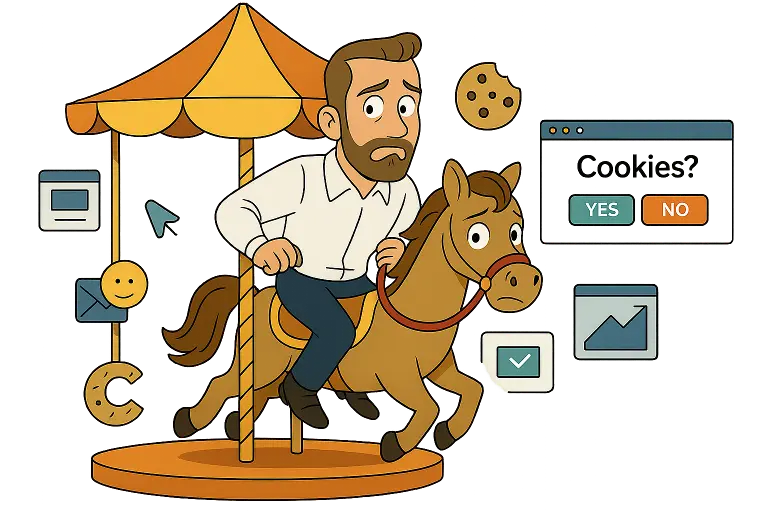
In marketing, I often feel that we grow tired of our own campaigns far too quickly – only to chase the next trend that suddenly everyone feels compelled to follow, simply because it’s considered “trendy.”
With the next campaign flight, we think: “Time for the next hot sht!”* Meanwhile, many potential customers haven’t even properly noticed our message – let alone remembered it.
I had to learn this the hard way. Too often, I went for the next brilliant new idea instead of sticking with what was already working. In one campaign for a well-known product, our key visual felt internally outdated after just a few months. But a look at the data revealed: brand recall was well above average.
People start to remember things after they’ve seen them multiple times.
Not the first time. Not the second.
But right around the time when we internally start to panic and talk about relaunching.
Here’s to Repetition, Repetition, Repetition – and Recognition!
Maybe we should allow ourselves to be simply clear and recognizable more often – instead of constantly reinventing everything.
Brands don’t grow because they’re exciting. They grow because they’re there when people need them. And because they’re easy to recognize in the moment of choice.
"Looks familiar..." – Why Brand Messages Deserve to Be Repeated

Related Posts